
Bookwalter開創器
Bookwalter開創器とは?
Retractor Maker technical teamが監修 · 更新日
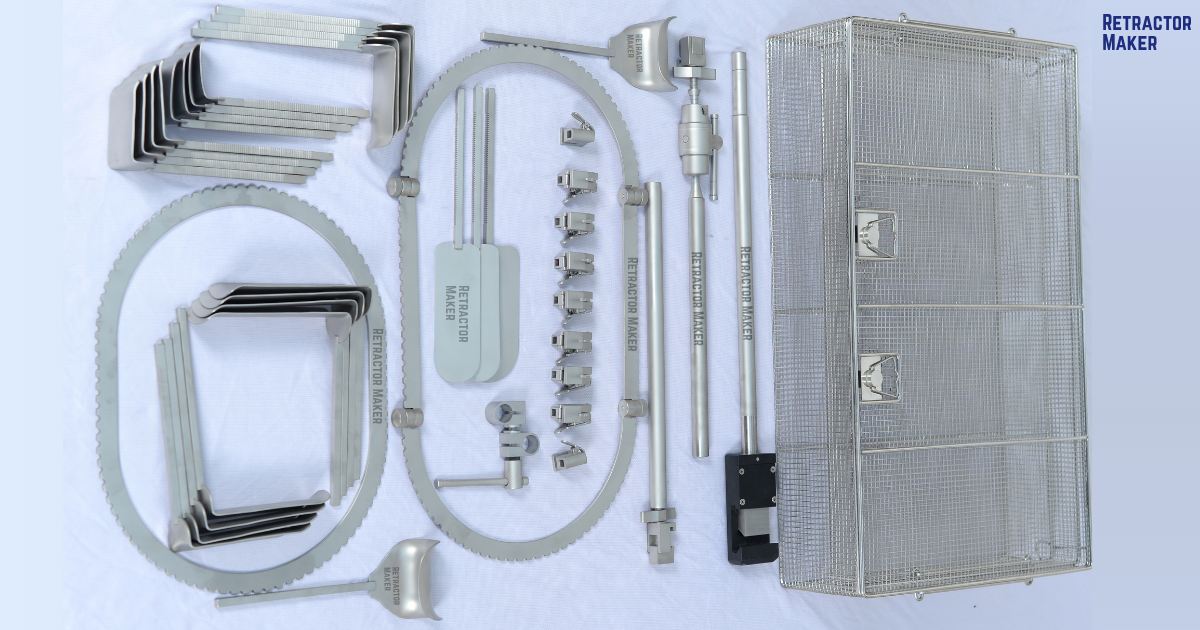
Bookwalter開創器は、手術台固定式の自己保持型外科用開創器システムです。支持フレームワーク、開創リング、ラチェット機構、および開創ブレードを使用し、開腹手術中の組織の開創と術野へのアクセスを維持します。
A Bookwalter Retractor is a table-mounted, self-retaining surgical retractor system. It is designed to help maintain tissue retraction and provide access to the operative field during open surgery, without an assistant holding a retractor by hand.
The system works as an assembly rather than a single instrument. A supporting framework is attached to the operating table, a retractor ring provides attachment points around the incision, ratchet mechanisms hold the retractor blades, and the blades engage the tissue. Each element can be adjusted to suit the exposure the surgical team needs.
What Is a Bookwalter Retractor Used For?
The general purpose of the system is to hold tissue away from the operative field in a stable, adjustable way for the duration of the procedure. Depending on the configuration selected, it may help provide:
- Stable tissue retraction throughout the procedure
- Hands-free retraction, so the team is not occupied holding instruments
- Access to the operative field
- Adjustable positioning of retractor blades around the incision
- A stable retraction framework anchored to the operating table
Bookwalter Retractor systems may be used in areas such as general surgery, urology, gynecology, and other open surgical procedures where a self-retaining retraction system is appropriate. Not every configuration is suitable for every procedure — the components and blades have to match the surgical requirement.
How Does a Bookwalter Retractor Work?
The operating concept is straightforward. The load of the retraction is carried by the operating table instead of by an assistant.
- The supporting structure is attached to the operating table.
- Bars and other support components form the retraction framework.
- A retractor ring, or a related framework, provides the attachment points.
- Ratchet mechanisms clamp to that framework and hold the retractor blades.
- Blades are positioned around the operative field where retraction is needed.
- The assembly is then adjusted to provide the required exposure.
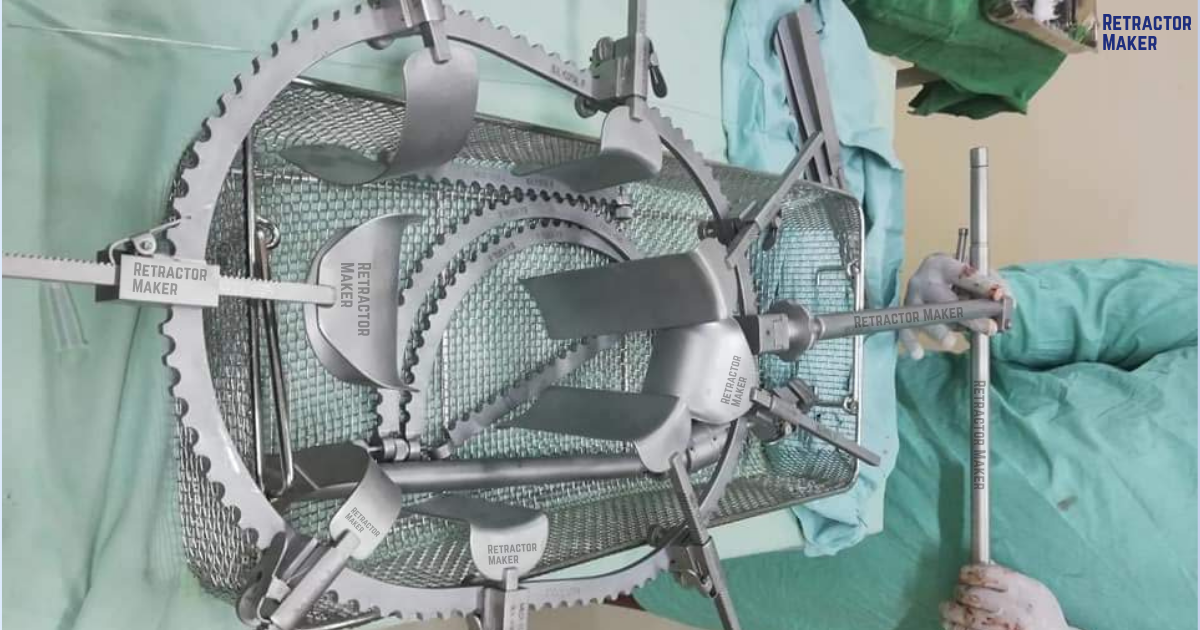
This is a general educational explanation, not instructions for use. Actual assembly and use should follow the manufacturer's instructions and the procedures of the healthcare facility, and should be carried out by appropriately trained surgical professionals.
Main Components of a Bookwalter Retractor
A Bookwalter-style set is built from a small number of component families. Knowing the names makes it much easier to identify a replacement part or specify a new set.
- Field post — the upright that supports the retractor framework.
- Horizontal bar — provides structural support for the system.
- Horizontal flex bar — helps position the retraction framework.
- Post coupler — connects supporting components together.
- Retractor rings — provide the framework for attaching retraction mechanisms.
- Ratchet mechanisms — hold and position the retractor blades.
- Retractor blades — provide the tissue retraction.
| Component | Basic Function |
|---|---|
| Field Post | Supports the retractor framework |
| Horizontal Bar | Provides structural support for the system |
| Horizontal Flex Bar | Helps position the retraction framework |
| Post Coupler | Connects supporting components |
| Retractor Ring | Provides a framework for attaching retraction mechanisms |
| Ratchet Mechanism | Holds and positions retractor blades |
| Retractor Blades | Provide tissue retraction |
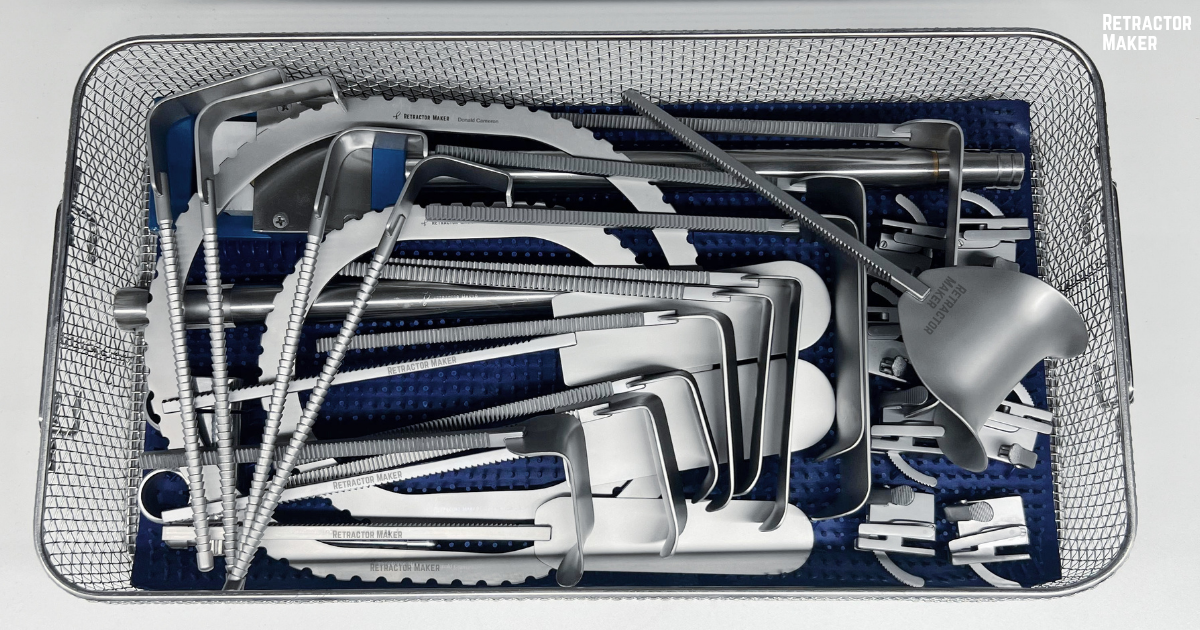
Bookwalter Retractor Blades
The system can be used with different retractor blades depending on the exposure required and the configuration of the frame. Blades are usually the part of a set that changes most between specialties, while the supporting hardware often stays the same.
- Kelly blades — a deeper profile used where the wall must be held further back.
- Malleable blades — shaped by the surgical team to follow the anatomy where a fixed profile does not fit.
- Other Bookwalter-compatible blade configurations, including Balfour-style, Richardson, Deaver, Harrington and specialised profiles.
Blade width, depth and design all affect how the retraction system is configured, including how many ratchet mechanisms are needed and where they sit on the ring. The right blade depends on the procedure and the surgeon's requirement rather than on any single blade being best. You can see the available profiles on the Bookwalter retractor blades page.
How Is a Bookwalter Retractor Set Up?
A general overview of the working order is:
- Position the support structure on the operating table.
- Attach the required bars and connecting components.
- Position the retractor ring or framework above the operative site.
- Attach the appropriate ratchet mechanisms.
- Select suitable retractor blades.
- Position and adjust the blades as required.
- Check the overall setup before use.
This is a general educational overview only. It is not a replacement for the manufacturer's instructions for use or for institutional surgical procedures.
Where Is a Bookwalter Retractor Used?
General Surgery
In general surgery, a table-mounted system may be used as a self-retaining retraction system in applicable open procedures where stable exposure of the operative field is required.
Urology
Table-mounted retraction systems may be used in appropriate open urological procedures when stable exposure is required and a self-retaining system is considered suitable.
Gynecology
Suitable Bookwalter configurations may be used in gynecological procedures where retraction and operative exposure are required. Ring geometry and blade depth are normally selected to match the approach.
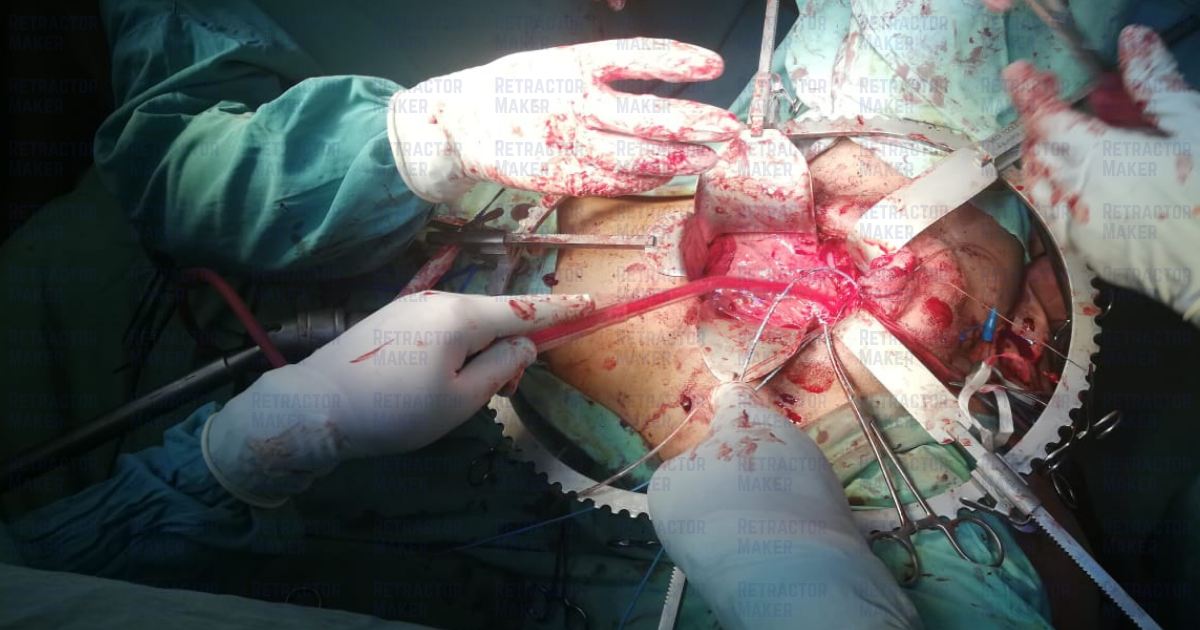
Bookwalter Retractor vs. Hand-Held Retractors
Hand-held retractors generally need to be held in position by a surgeon or an assistant for as long as the exposure is needed. A self-retaining Bookwalter system instead uses a supporting framework and ratchet mechanisms to maintain the position of the retractor blades.
Neither approach is universally better. The appropriate retraction method depends on the procedure, the operative requirements, surgeon preference and the equipment available in the theatre.
How to Choose a Bookwalter Retractor Configuration
Configuration is decided by the surgical requirement. Factors that usually need to be considered include:
- The type of procedure the set must cover
- The operative exposure required
- The surgical field and the approach used
- Ring configuration — shape and size
- Blade type
- Blade size, including width and depth
- The number of retraction points needed around the field
- The supporting components available, such as posts, bars and couplers
Because these factors vary between theatres and specialties, there is no single standard configuration. If you are unsure which components you need, send your requirement through the quote request page.
よくある質問
Bookwalter開創器とは?
Bookwalter開創器は、支持フレームワーク、開創リング、ラチェット機構、および開創ブレードを使用して組織を術野から離して保持する、手術台固定式の自己保持型外科用開創器システムです。
Bookwalter開創器の用途は何ですか?
開腹手術中に組織の開創を維持し、術野へのアクセスを提供するために使用されます。自己保持型開創システムが適切な一般外科、泌尿器科、婦人科、その他の開腹手術で使用される場合があります。
Bookwalter開創器は自己保持型ですか?
はい。自己保持型開創システムとして設計されています。ブレードは、手で保持するのではなく、手術台から支持されたフレームワーク上のラチェット機構によって所定の位置に保持されます。
Bookwalter開創器の主要な部品は何ですか?
主要な構成部品は、フィールドポスト、水平バー、水平フレキシブルバー、ポストカプラー、開創リング、ラチェット機構、および開創ブレードです。
Bookwalter開創器で利用できるブレードの種類は何ですか?
一般的に使用されるプロファイルには、Kellyブレード、Malleableブレード、およびBalfour型、Richardson、Deaver、Harringtonブレードなどの他のBookwalter互換ブレードが含まれます。ブレードの選択は、必要な視野によって異なります。
Bookwalter開創器の構成部品は個別に購入できますか?
はい。完全なシステム、個別のブレード、およびリング、ポスト、バー、カプラー、ラチェット機構などの個別の部品は、このウェブサイトに個別に掲載されており、単独で注文できます。
Bookwalter開創器の構成はどのように選べばよいですか?
構成は、処置、必要な視野、リングの形状、ブレードの種類とサイズ、開創点の数、および既存の支持部品によって異なります。要件をお送りいただければ、適切な構成の特定をお手伝いできます。
Bookwalter 開創器または部品が必要ですか?
製品、構成、数量、仕向国など、必要なものをお知らせください。Retractor Makerが在庫状況、仕様、価格を提供します。
見積もりを依頼