
Bookwalter Retractors
Bookwalter Retractor Blade Types
Reviewed by Retractor Maker technical team · Updated
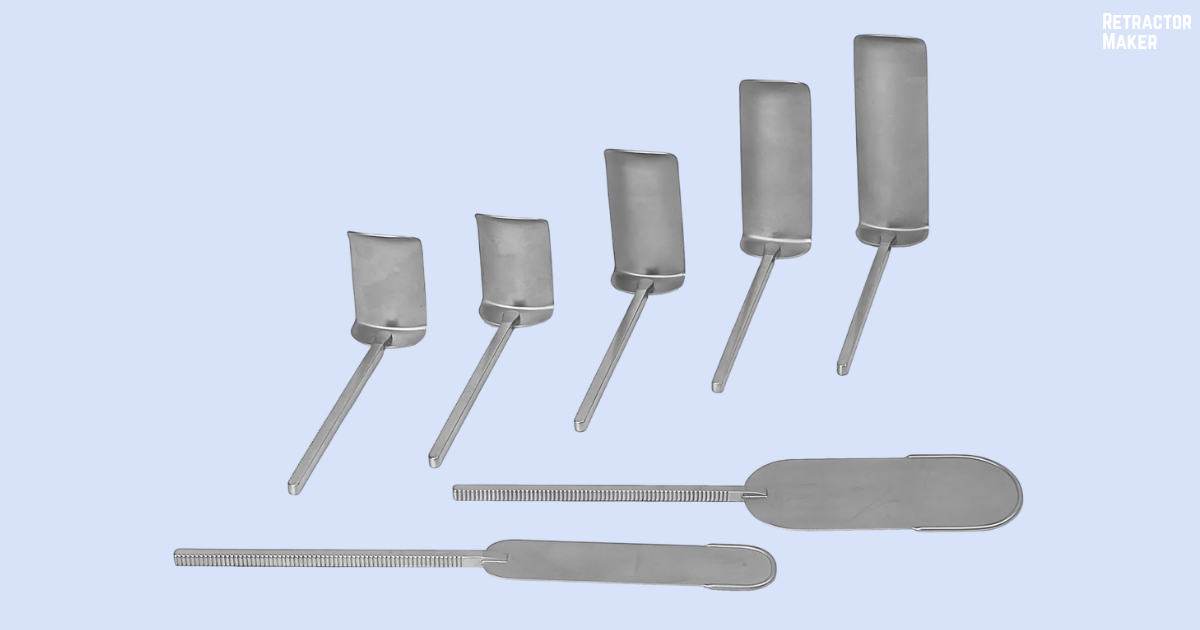
Bookwalter Retractor systems can be used with different blade designs and sizes. The blade chosen depends on the configuration required and the surgical exposure needed, and blades are interchangeable within the same retraction framework.
Bookwalter Retractor systems can use a range of blade designs and sizes. Which blade is appropriate depends on the configuration being assembled and the surgical exposure required, so blades are supplied individually as well as in sets.
What Are Bookwalter Retractor Blades?
Retractor blades are the parts of the system that engage tissue and hold it away from the operative field. Each blade is held by a ratchet mechanism, which clamps to the retractor ring; the ring in turn is carried by the frame anchored to the operating table. The blade therefore stays in the position it has been set to without being held by hand.
Blade profiles and sizes available from us are listed in the blades category. View Bookwalter Retractor blades.
Common Bookwalter Retractor Blade Types
Several blade designs are available within our Bookwalter range. The ones covered in this guide are those listed on the site:
- Kelly blades
- Malleable blades
- Balfour-style blades
- Richardson blades
- Deaver blades
- Harrington blades
- Gelpi blades
Not every retractor blade is a Bookwalter blade. A blade only belongs in a Bookwalter configuration if it is designed to be held by a Bookwalter ratchet mechanism on the ring; check the product listing or ask us before ordering.
Kelly Blades
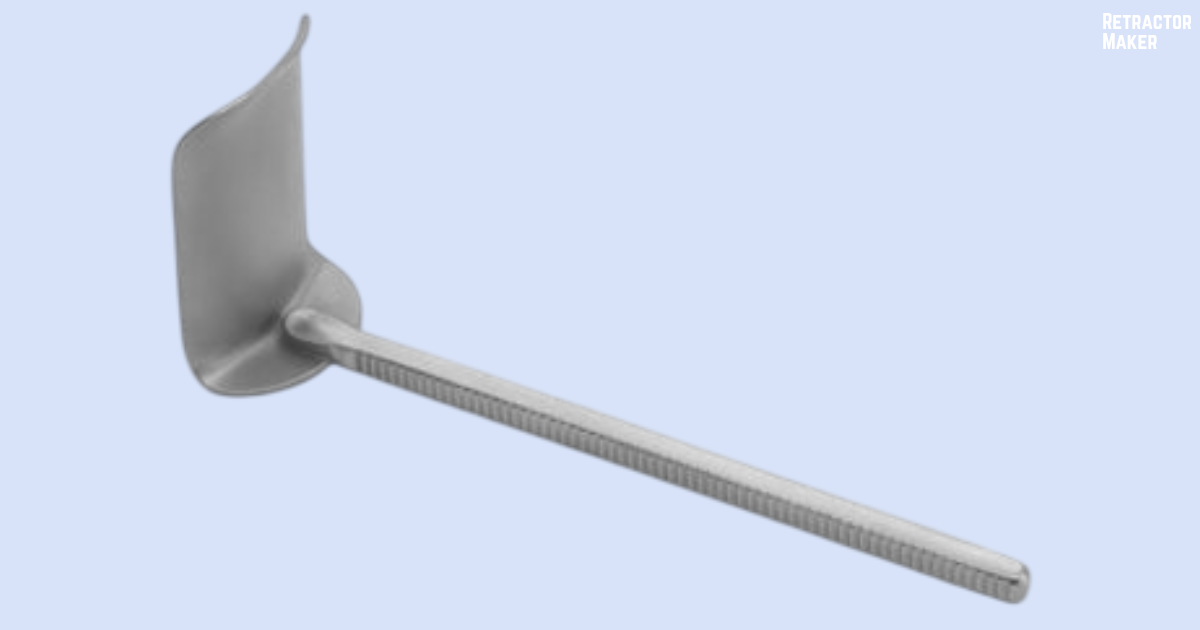
A Kelly blade has a solid, fixed-profile working surface with a serrated shaft that is gripped by the ratchet mechanism. The profile is designed to hold tissue back over a defined area, and the blade keeps its shape in use rather than being reshaped by the surgical team. Kelly blades are supplied in more than one size, so the appropriate width and depth is selected for the exposure required.
Malleable Blades
A malleable blade differs from a fixed-profile blade in that the blade portion is made to be shaped. Where a rigid blade holds one profile, a malleable blade can be given a contour to suit the anatomy encountered. The shaft is serrated in the same way and is held by the ratchet mechanism.
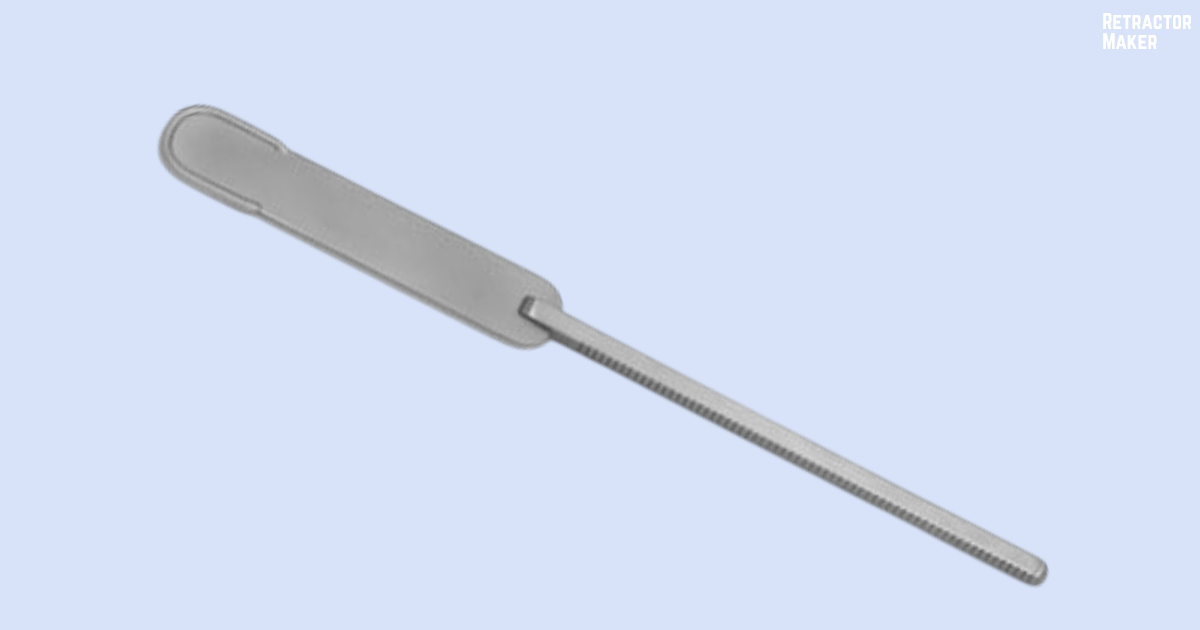
We do not publish shaping or bending instructions. Follow the applicable manufacturer's instructions and your institution's procedures when handling or reshaping a malleable blade.
Gelpi Blade
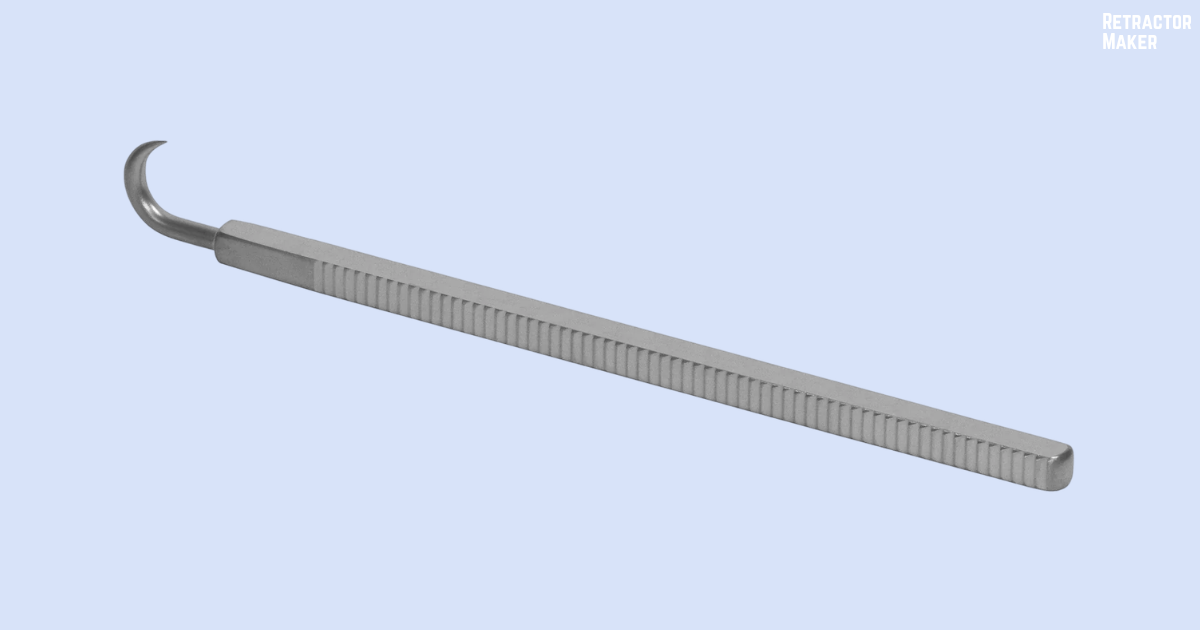
A Gelpi blade is also listed in our Bookwalter range. It has a narrow shaft with a hooked tip rather than a broad blade surface, so it engages a smaller area of tissue than a Kelly or malleable blade. As with the other blades, the shaft is designed to be held by a ratchet mechanism on the ring.
Kelly and Malleable Blades Compared
| Feature | Kelly blade compared with malleable blade |
|---|---|
| General design | Kelly: a solid blade with a fixed profile on a serrated shaft. Malleable: a blade portion made to be shaped, on a comparable serrated shaft. |
| Rigidity | Kelly: rigid, keeping its profile in use. Malleable: can be given a contour rather than holding one fixed shape. |
| Positioning | Both are held by a ratchet mechanism on the ring and can be placed at any point around it; the malleable blade's contour is an additional variable. |
| Configuration | Both are interchangeable within the same Bookwalter framework, and configurations often include a combination of the two in different sizes. |
How to Choose a Bookwalter Retractor Blade
Blade selection is a clinical and practical decision rather than a fixed rule. Considerations usually include:
- The surgical exposure required
- The operative field and the anatomy involved
- The blade design — fixed profile or malleable
- The blade size, in width and depth
- The retraction requirements of the procedure
- The overall Bookwalter configuration, including the ring and ratchets in use
- Surgeon preference
- Institutional practice and existing inventory
No blade is automatically the correct choice for a given operation. If you are replacing a blade in an existing set, matching the profile and size already in use is usually the most reliable approach.
Bookwalter Retractor Blades and Ratchet Mechanisms
The blade and the ratchet mechanism work together. The ratchet clamps to the retractor ring and grips the serrated shaft of the blade, so it is the ratchet that holds the blade in position and allows its depth to be adjusted. A blade therefore needs a compatible ratchet mechanism to be usable in the assembly.
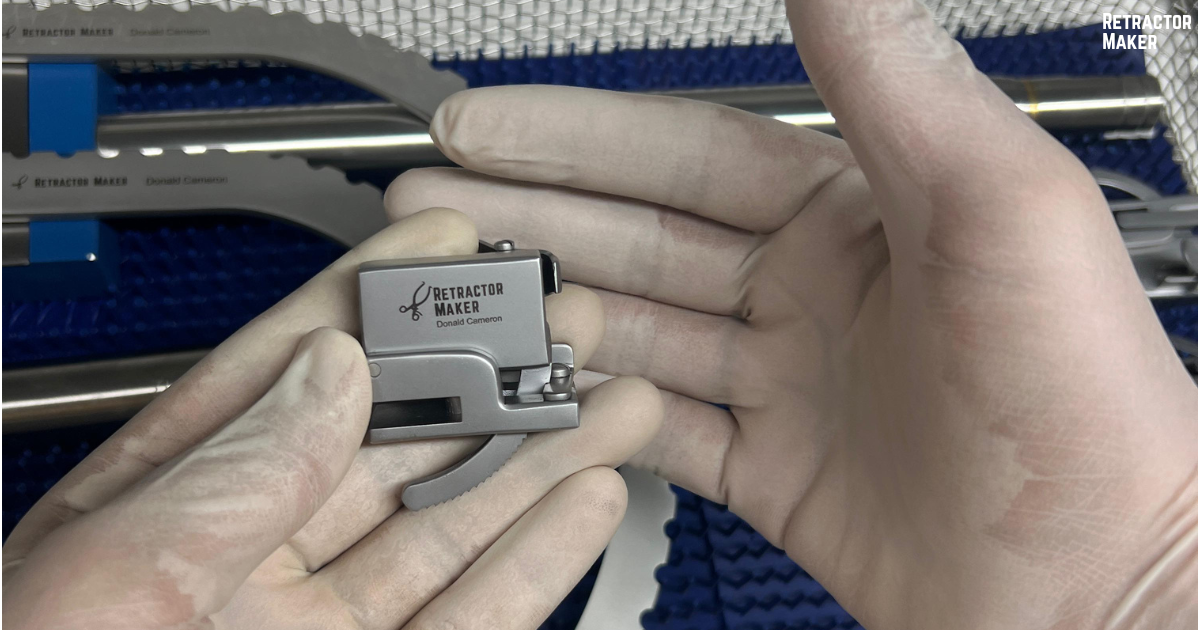
Ratchet mechanisms, rings and other frame components are listed with the parts. Browse Bookwalter Retractor parts.
Handling and Storage of Bookwalter Retractor Blades
Blades are handled and stored as part of the wider instrument set. General considerations include keeping blades organised so profiles and sizes can be identified, protecting working surfaces and serrated shafts from damage, checking blades for deformation or wear before use, and keeping component counts complete so a configuration can be assembled when needed.
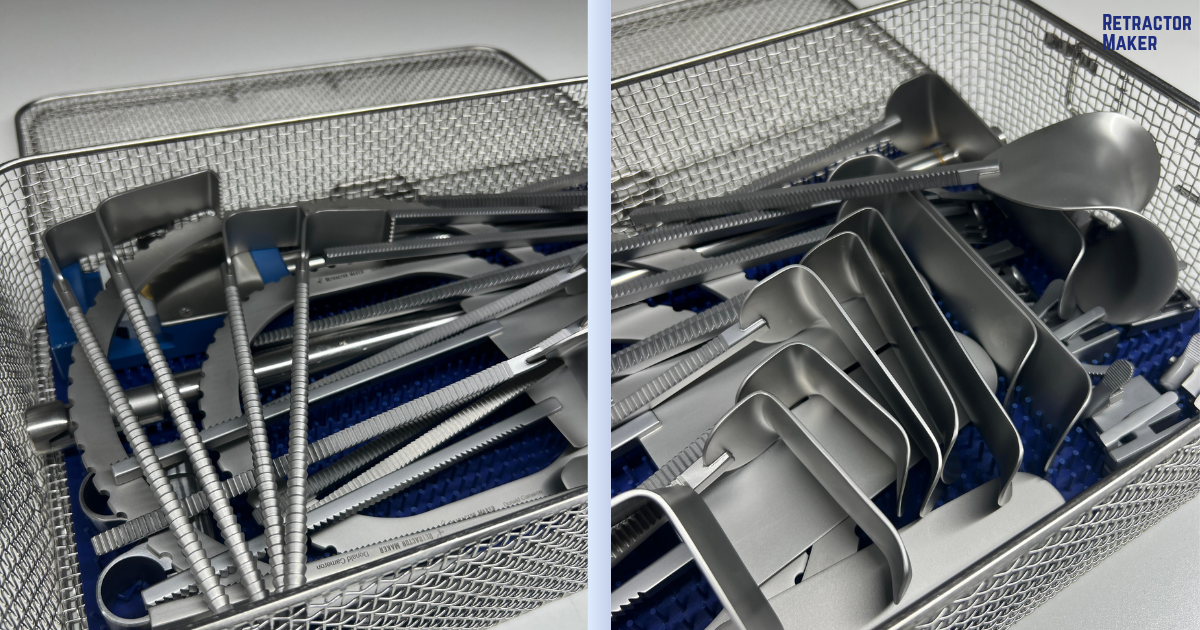

We do not publish cleaning, disinfection or sterilization parameters. Follow the applicable manufacturer's instructions for use and your institution's validated procedures.
Bookwalter Retractor Blade Selection Checklist
- ☐ Required surgical exposure identified
- ☐ Blade design considered
- ☐ Blade size confirmed
- ☐ Compatibility with the intended Bookwalter configuration confirmed
- ☐ Required quantity confirmed
- ☐ Additional blades or components identified
- ☐ Manufacturer and institutional requirements reviewed
Once the list above is settled, send it to us and we will confirm availability and pricing. Request a quote.
Frequently Asked Questions
What are the different types of Bookwalter Retractor blades?
Our Bookwalter range includes Kelly, malleable, Balfour-style, Richardson, Deaver, Harrington and Gelpi blades, in more than one size where applicable.
What is a Kelly Bookwalter blade?
A blade with a solid, fixed profile on a serrated shaft, held in position by a ratchet mechanism on the retractor ring.
What is a Malleable Bookwalter blade?
A blade whose working portion is made to be shaped, so it can be given a contour instead of holding one fixed profile.
What is a Gelpi blade?
A blade with a narrow shaft and a hooked tip rather than a broad surface. It is listed in our Bookwalter range and is held by a ratchet mechanism in the same way as other blades.
How do I choose a Bookwalter Retractor blade?
Consider the exposure required, the blade design and size, compatibility with your existing configuration, and surgeon and institutional preference. When replacing a blade, match the profile and size already in use.
Are Bookwalter Retractor blades available separately?
Yes. Blades can be ordered individually or as sets; a complete system is not required.
How should Bookwalter Retractor blades be handled and sterilized?
Handle blades so working surfaces and serrated shafts are protected, and inspect them before use. For cleaning, disinfection and sterilization, follow the applicable manufacturer's instructions and your institution's validated procedures.
Need a Bookwalter Retractor or Components?
Tell us what you need, including the product, configuration, quantity and destination country. Retractor Maker can provide availability, specifications and pricing.
Request a Quote